Stronger teeth and healthier gums – the basics of proper oral care
Keeping teeth and gums healthy starts with the right care at home. How often you brush matters, but so do the tools and technique you use – and whether you clean the places a toothbrush cannot reach properly.

Why does proper oral care matter?
A biofilm that contains bacteria – dental plaque – forms continuously on the teeth. If it is not removed thoroughly and regularly, it can play a part in tooth decay and gum inflammation, among other problems.
The aim of oral care is therefore not simply to make the teeth look clean, but to remove the accumulating bacterial biofilm regularly and effectively.
Brushing alone is not always enough. The spaces between the teeth and the area along the gum line matter especially, because plaque collects there easily.
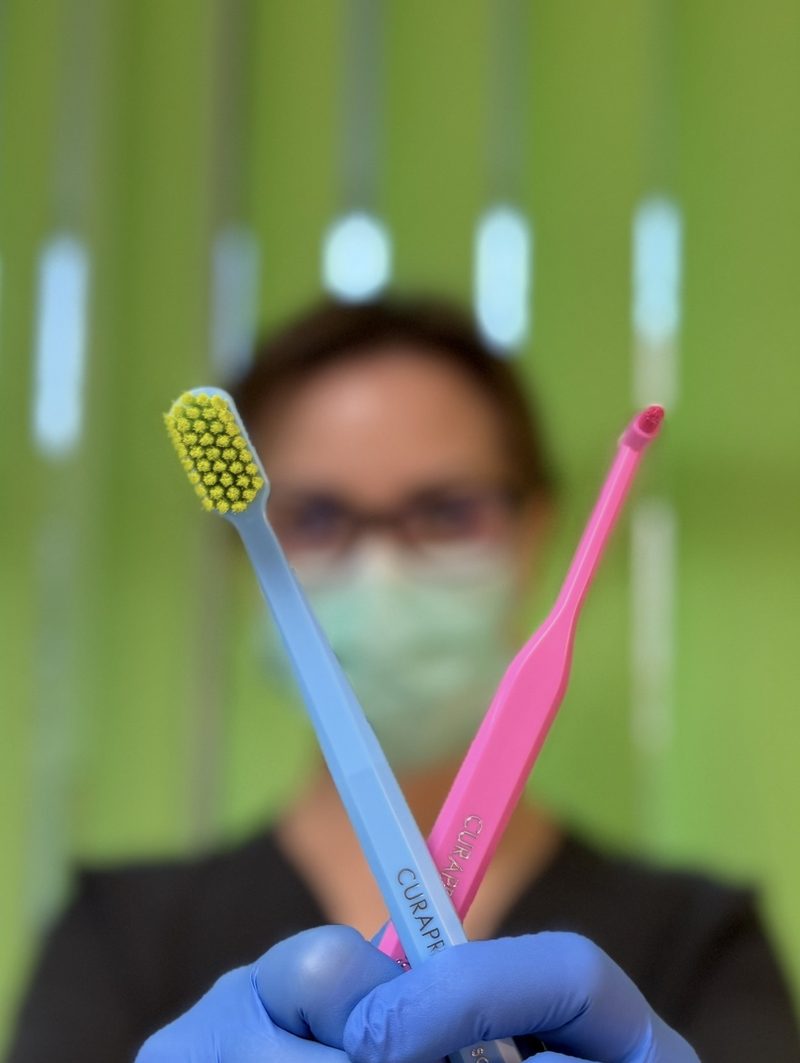
Which toothbrush should you choose?
There is no single toothbrush that suits everyone equally well.
Both a manual and an electric brush can maintain good oral hygiene if they are used correctly and regularly. What matters is that the brush has soft bristles.
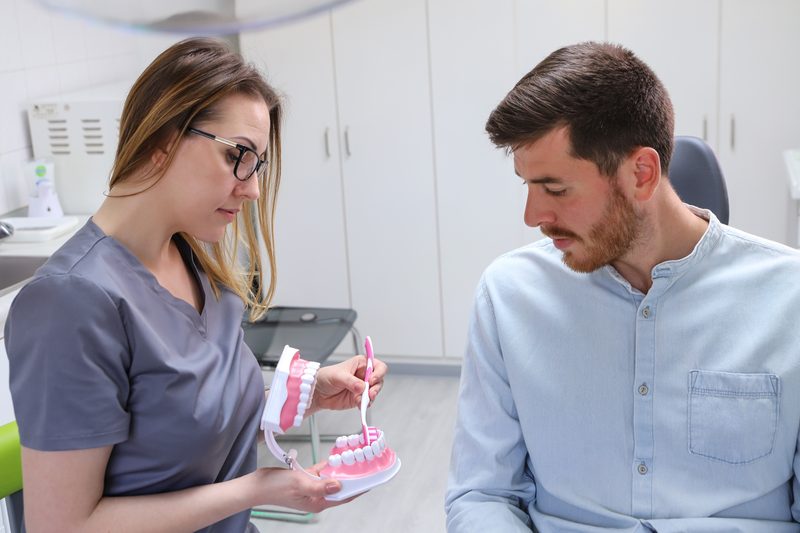
The choice should take into account the condition of the teeth and gums, how the teeth sit, manual dexterity, and whether there are restorations, implants or an orthodontic appliance. A dental hygienist can help you choose the right tools.
Brushing harder does not make teeth cleaner, and over time it can contribute to damage of the gums and the necks of the teeth. Thoroughness, technique and regularity matter more than force.
How should you brush?
Teeth should be cleaned thoroughly at least twice a day.
The right technique is not necessarily the same for everyone. The position of the teeth, the condition of the gums, restorations and other individual factors all influence how the surfaces can be cleaned most effectively.
It is important not to concentrate only on the easy outer surfaces. The outer, inner and chewing surfaces all need to be cleaned, and the gum line needs attention too.
Aim for controlled, thorough circular movements rather than heavy pressure. With an electric brush, follow the instructions for that device: the best technique can depend on how the brush works.
Why clean between the teeth?
The bristles of a toothbrush cannot always clean the surfaces between the teeth properly. Plaque can therefore remain on these less accessible surfaces even if you brush regularly.
Cleaning between the teeth is therefore an important part of thorough home care. Options include floss, interdental brushes and other specialised interdental tools.
The same tool – and the same size – is not right for everyone. Floss can be practical at tight contact points, while in wider spaces an interdental brush often allows more effective mechanical cleaning.
What can bleeding gums mean?
Healthy gums typically do not bleed regularly when they are cleaned properly.
Bleeding when you brush or clean between the teeth is often caused by gum inflammation from accumulated bacterial biofilm – but bleeding can have other causes too.
That is why you should not automatically stop cleaning a bleeding area. If the bleeding happens regularly or continues even with good oral care, it is worth asking for a dental or hygiene examination.
Lasting gum inflammation should not be ignored: in people who are susceptible, it can in time affect the deeper tissues around the teeth.
Looking for an oral-care routine that fits you?
There is no perfect routine that works for everyone. At a hygiene visit we see where plaque remains and choose the tools for your own teeth.
How do eating habits affect the teeth?
Alongside oral care, what and how we eat also affects the condition of the teeth.
Bacteria in the mouth break down certain fermentable carbohydrates and produce acids. In an acidic environment, minerals can dissolve out of the hard tissues of the tooth.
For decay risk, therefore, it is not only how much sugar we eat that matters, but how often. Sugary foods and drinks taken repeatedly through the day expose the teeth to repeated acid attacks.
Frequent, excessive intake of directly acidic foods and drinks – for example some soft drinks, energy drinks and acidic fruit juices – can also contribute to erosion of the tooth surface. That is not the same as tooth decay, even though both processes damage the hard tissues of the tooth.
Which habits can harm teeth and gums?
The oral-care routine is not the only thing that shapes the long-term condition of the teeth.
- Smoking greatly increases the risk of periodontal disease and can partly hide signs of inflammation, such as bleeding gums.
- Using the teeth regularly as a tool – for example to open packaging – can lead to injury or even a fractured tooth.
- Clenching and grinding can overload the teeth and in some cases is associated with wear, loss of tooth substance, sensitivity, or jaw-joint and muscle symptoms.
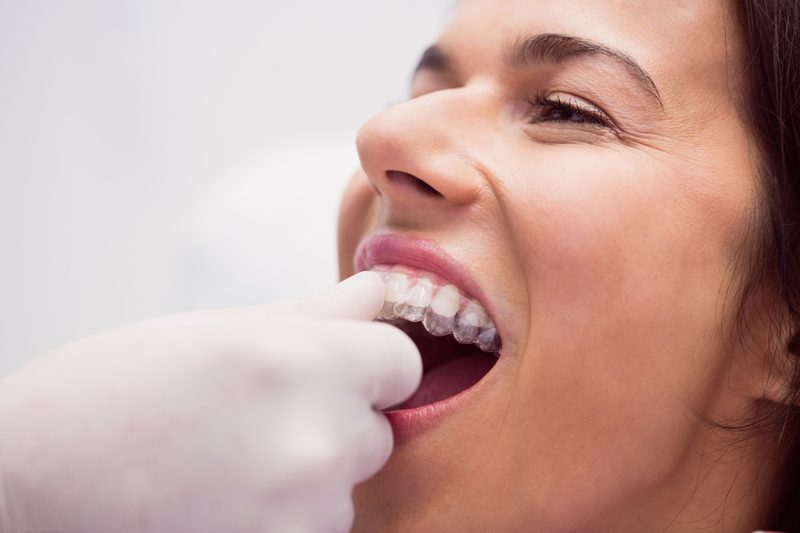
If you notice any of these, it is worth talking to a dentist. For night-time clenching, a night guard can protect the teeth.
Why does a regular hygiene visit matter?
Even with good care at home, areas that are harder to keep clean can still develop.
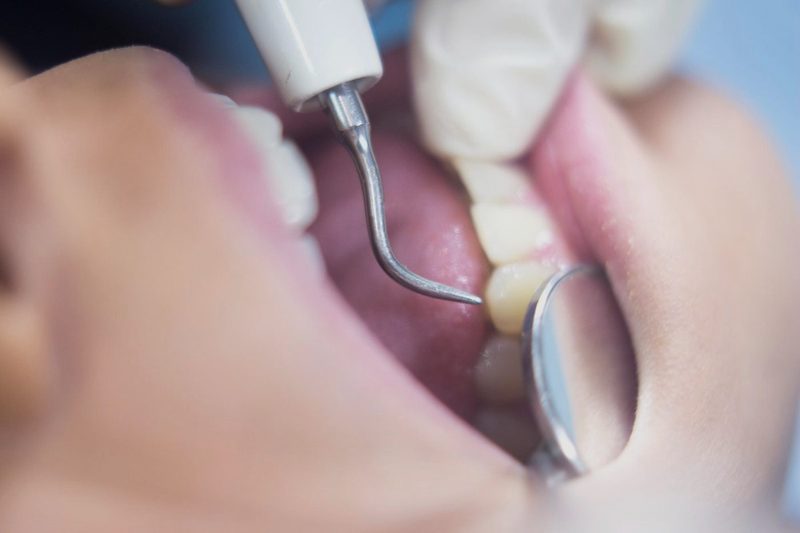
Plaque can mineralise over time and become tartar. Tartar that has already formed cannot be removed properly with a toothbrush or interdental tools; professional instruments are needed.
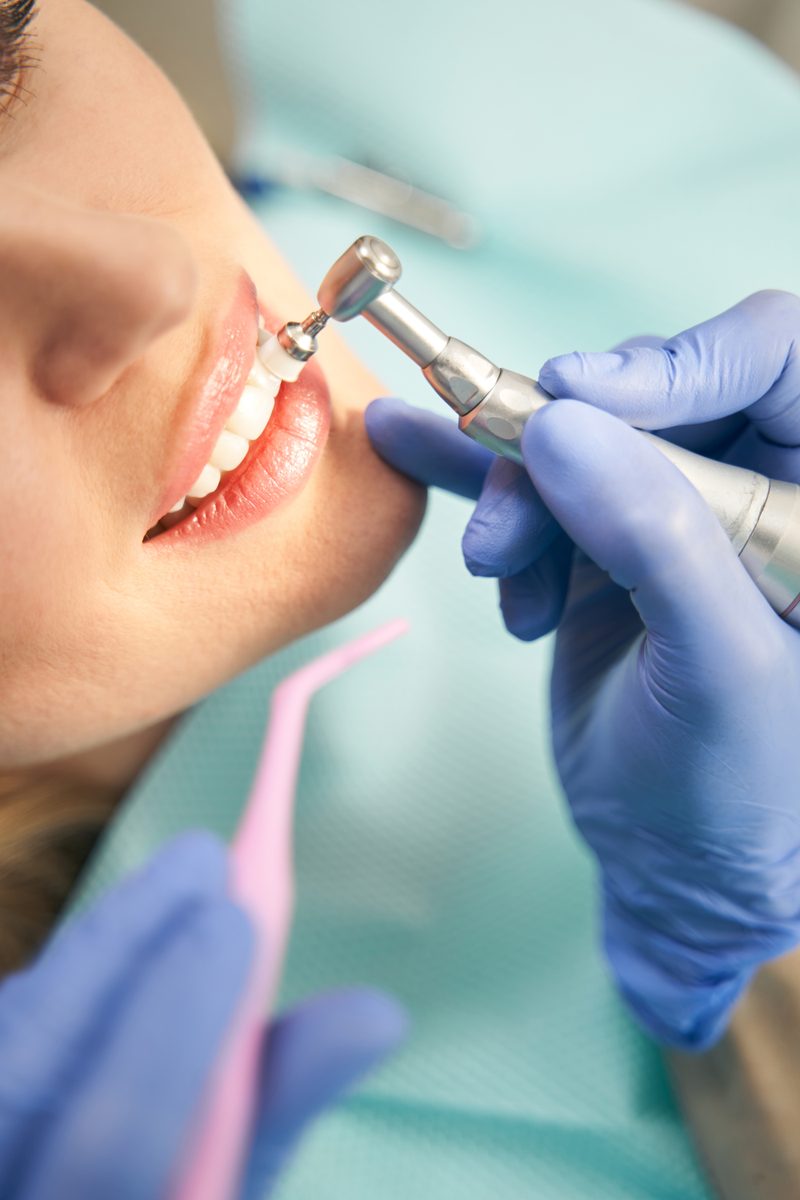
A hygiene visit is not only about removing tartar. It is also a chance to assess how well home care is working, to show the harder-to-clean areas, to choose the right brush and interdental tools, and to build a personalised routine.
How often professional cleaning is needed is not the same for everyone. It depends on individual hygiene, how much tartar forms, the condition of the gums and periodontium, and other risk factors.
When should you see a dentist?
Besides regular check-ups, it is also worth asking for an examination if you notice a change. That can include:
- gums that bleed regularly or for a long time,
- swollen, tender gums,
- bad breath that persists even with good oral care,
- increasing tooth sensitivity,
- receding gums,
- a tooth that has become mobile,
- pain or another unusual symptom.
The absence of pain does not by itself mean that the teeth and periodontium are completely healthy. Many dental problems cause little or no discomfort for a long time.
In summary
The basis of healthy teeth and gums is regular, appropriate care at home. That includes the right brush and brushing technique, regular cleaning between the teeth, and tools that match the individual mouth.
There is, however, no perfect universal routine. What works for one patient may not clean as effectively under different tooth or gum conditions.
A dental check-up and a hygiene visit therefore matter not only for problems that have already developed: they can also help you find and learn the home routine that fits your own teeth and gums in the long term.
Frequently asked questions
1Is a manual or an electric toothbrush better?
Both can achieve good oral hygiene. The choice should take into account individual circumstances and how effectively you can use that particular brush.
2How hard should you brush?
Brushing harder does not mean a more thorough clean. Too much pressure can in the long term damage the gums and the necks of the teeth, so technique and thoroughness are the better aim.
3Do I still need to clean between the teeth if I brush?
Yes. A conventional toothbrush cannot always clean the areas between the teeth properly. The right interdental tool should be chosen for the individual's spaces.
4Is it normal if my gums bleed when I clean between the teeth?
Regular bleeding is not regarded as a natural state of healthy gums. Inflammation is often the cause, but there can be other reasons. If the bleeding persists, it is worth seeing a professional.
5Floss or an interdental brush?
It depends on the size of the spaces and the individual anatomy. Floss can be suitable at tight contacts; in larger spaces an interdental brush often cleans more effectively.
6Can mouthwash replace cleaning between the teeth?
No. Mouthwash does not replace mechanical cleaning of the tooth surfaces. Proper brushing and interdental cleaning remain the basis of home care.
7How often is professional cleaning needed?
There is no interval that is valid for everyone. Frequency should be based on individual hygiene, tartar formation, the condition of the gums and periodontium, and other risk factors.
8If my gums do not bleed, are they definitely healthy?
Not necessarily. Bleeding can be an important sign, but its absence does not by itself rule out periodontal problems. That matters especially with smoking, which can reduce one of the visible symptoms of gum inflammation: bleeding.
This article is general information and does not replace a dental examination or personal advice.