What to eat for strong teeth: a diet that protects enamel
What you eat affects your teeth twice: once in the mouth – with acid or with protection – and once from within, through the building blocks of enamel and gums. You control both.

How does food affect the teeth?
Bacteria in the mouth turn sugars and starch into acid. Acid dissolves minerals out of enamel – demineralisation. Saliva neutralises the acid in roughly 20–30 minutes and returns calcium and phosphate to the enamel – remineralisation. Dental health is decided by which of the two processes gets more time over the day.
That is why the total amount of sugar is not what counts, but how many acid attacks the teeth receive. A slice of cake at the end of a meal is one attack; the same sugar spread across the day in sips and nibbles is a continuous acid bath from which enamel cannot recover.
Nutrients teeth are built from
- Calcium – the basis of enamel and bone. Dairy, almonds, sardines, broccoli, kale.
- Phosphorus – forms enamel crystals together with calcium. Fish, eggs, meat, legumes, nuts.
- Vitamin D – without it calcium is not absorbed. Sunlight, egg yolk, oily fish; often needs supplementing in winter.
- Vitamin C – maintains the gum's connective tissue; deficiency causes bleeding gums. Peppers, citrus, berries, broccoli.
- Vitamin K2 and magnesium – help calcium find its way into bone and enamel. Fermented foods, eggs, leafy greens, pumpkin seeds.
Tooth-friendly foods – eat freely
- Cheese. Neutralises acid, supplies calcium and phosphate and boosts saliva – a bite of cheese at the end of a meal is the best 'dessert' for teeth.
- Plain yoghurt, kefir. Calcium and protein without sugar.
- Leafy greens. Spinach, kale, rocket: calcium, folate, fibre.
- Crunchy vegetables and fruit. Carrot, apple, celery, cucumber – chewing them cleans and stimulates saliva.
- Nuts and seeds. Almonds, walnuts, pumpkin and sesame seeds – minerals, little sugar.
- Fish, eggs, lean meat. Phosphorus, vitamin D, protein.
- Green and black tea. Their polyphenols inhibit bacterial growth – without sugar.
- Water. The best drink for teeth: rinses, dilutes, neutralises.
- Sugar-free gum with xylitol. 10–20 minutes of chewing after a meal multiplies saliva flow.
Favourites to enjoy with care
You do not have to give them up – timing and frequency are the key:
- Soft drinks, energy drinks, flavoured waters. Sugar and acid together, sipped all day – the worst combination for enamel. 'Zero' versions are acidic too.
- Fruit juice, smoothies. They look healthy, but their sugar and acid rival soft drinks. With a meal, from a glass, not sipped through a straw for hours.
- Dried fruit, cereal bars, gummy sweets. Sticky, sugary, and they cling to the teeth for a long time.
- Crisps, biscuits, white bread. Starch breaks down to sugar in the mouth and lodges between the teeth.
- Citrus, vinegary foods, wine. Acidic – with meals, water afterwards.
- Coffee, red wine, black tea. They do not cause decay but they stain – air polishing removes it gently.
Teeth stained by coffee or tea?
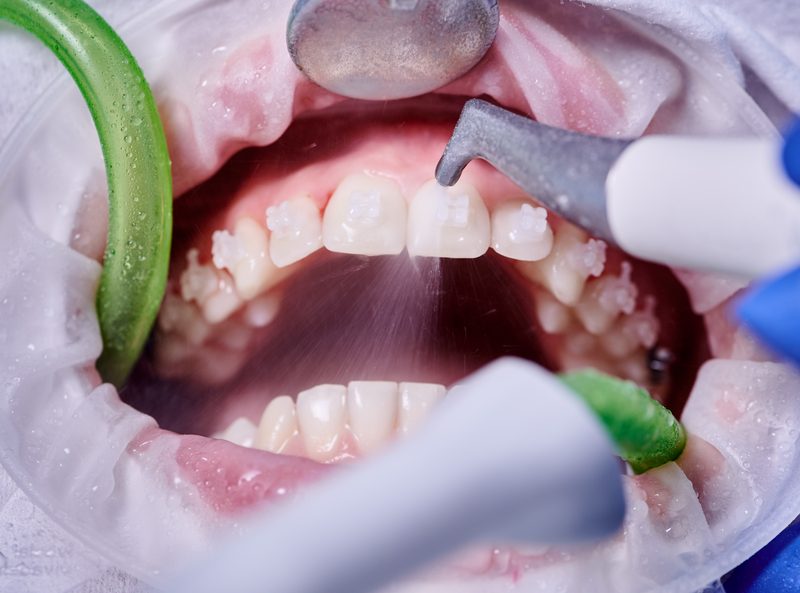
Air polishing removes surface stains and deposits with fine particles while sparing the enamel. One appointment, a visible difference.
Timing is the secret
Sweets at the end of a meal
You save an acid attack: the saliva flow from the main course is already working, and cheese or a glass of water closes the meal.
Only water between meals
Every sip – sweetened coffee, soft drink, juice – is a new acid attack. Water is not.
After acid, wait before brushing
30–60 minutes while saliva re-hardens the enamel. Rinse with water or chew sugar-free gum meanwhile.
Nothing after the evening brush
Saliva is scarce during sleep – night-time snacks, or a glass of milk in the cot, cause the fastest decay.
When should you see a dentist?
- Sensitivity to sweets or cold – a sign of thinning enamel or early decay.
- White, chalky spots on the teeth: this is early decay, still reversible at this stage.
- Dark spots, food catching between the teeth.
- Staining that brushing does not remove.
In summary
A tooth-friendly diet is not a list of bans but a matter of order and rhythm: less frequent sugar tied to meals, water in between, and cheese, vegetables, fish and nuts regularly on the plate. You give enamel time to recover and gums their building material – and there is less and less to do at your check-ups.
Frequently asked questions
1Is fruit bad for teeth?
Whole fruit is not: its fibre has to be chewed, which produces saliva, and its sugar is released slowly. Fruit juice and smoothies, however, are concentrated sugar and acid without fibre – treat them like soft drinks.
2Does sparkling water harm enamel?
Plain sparkling mineral water is mildly acidic, but nowhere near as acidic as soft drinks or juice – moderate consumption is not a problem. Flavoured or lemon versions are more acidic, so be more careful with those.
3Does coffee cause decay?
Unsweetened coffee does not cause decay, though it stains and is mildly acidic. With sugar or syrup, sipped all day, it does. Drink it in one sitting, follow with a glass of water – and regular air polishing takes care of the staining.
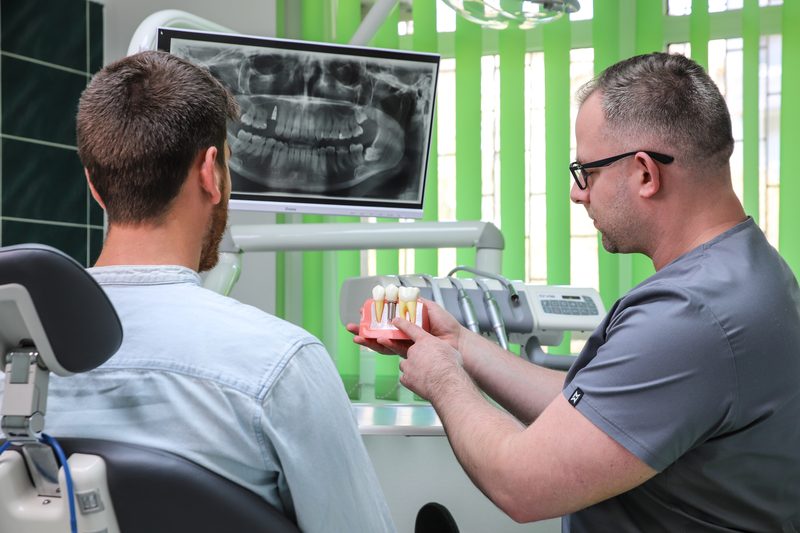
This article is general information and does not replace a dental examination or personal advice.